Eating balanced meals is essential for maintaining good health, boosting energy, and supporting overall well-being. However, the idea of planning nutritious meals every day can sometimes feel overwhelming. Between busy schedules, picky eaters, and countless diet trends, it’s easy to get stressed out about what to cook.
The good news is that planning balanced meals doesn’t have to be complicated or stressful. With a few simple strategies and a bit of preparation, you can create satisfying, healthful meals that suit your tastes and schedule. This guide will walk you through practical steps to plan balanced meals with ease.
What Is a Balanced Meal?
Before diving into meal planning tips, it’s important to understand what a balanced meal means. Generally, a balanced meal includes:
– Protein: Helps repair tissues and build muscle. Examples: chicken, beans, tofu, fish, eggs.
– Carbohydrates: The body’s main source of energy. Opt for whole grains and fiber-rich options like brown rice, quinoa, or whole wheat bread.
– Vegetables and Fruits: Packed with vitamins, minerals, and antioxidants.
– Healthy Fats: Support brain health and nutrient absorption. Sources include olive oil, nuts, seeds, and avocado.
– Hydration: Water or other healthy beverages to stay hydrated.
Balancing these components in your meals helps provide your body with the nutrients it needs to function well.
Step 1: Start with Simple Meal Planning
You don’t need to plan every single meal for the entire week in detail. Begin with some simple guidelines:
– Plan for three main meals and 1–2 snacks daily.
– Focus on including at least one vegetable or fruit with each meal.
– Incorporate a source of protein and whole grains regularly.
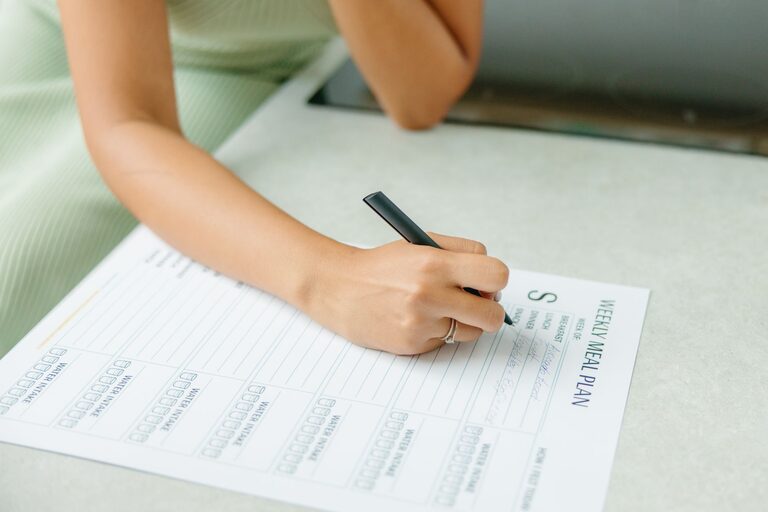
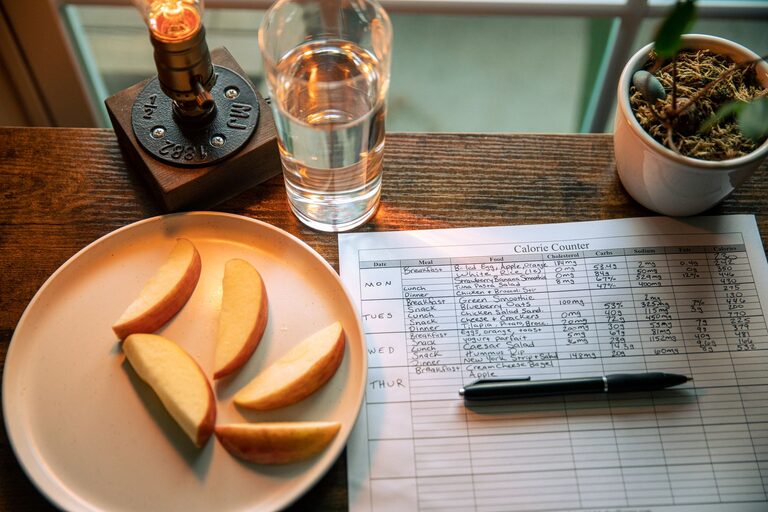
Try writing down or using an app to create a rough outline of meals for a few days. Gradually, this will become easier and faster.
Step 2: Keep a Well-Stocked Pantry and Fridge
Having a variety of nutritious staples on hand helps you whip up balanced meals quickly. Consider keeping these basics:
– Whole grains: brown rice, oats, whole wheat pasta
– Canned beans and lentils
– Frozen vegetables and fruits
– Lean proteins: chicken breasts, eggs, tofu
– Healthy fats: olive oil, nut butters
– Fresh produce that stores well: carrots, apples, leafy greens
When you have these items ready, you can create many simple meals without extra trips to the store.
Step 3: Master Meal Prep to Save Time
Meal prepping means preparing some or all of your meals ahead of time. This could include:
– Washing and chopping vegetables
– Cooking grains or proteins in bulk
– Portioning out snacks like nuts or cut fruit
Set aside 1–2 hours once or twice a week to prep ingredients or meals. Store them in airtight containers in the fridge or freezer for easy use throughout the week. This reduces daily cooking time and decision fatigue.
Step 4: Use Easy and Flexible Recipes
Choose recipes that are straightforward and adaptable. For example, a stir-fry is a great way to include protein, vegetables, and grains in one dish. You can swap in whatever vegetables or proteins you have available.
Some other simple meal ideas include:
– Grain bowls with veggies and a protein source
– Omelets or scrambled eggs with vegetables
– Soups or stews with beans and veggies
– Sandwiches or wraps with lean meats and plenty of greens
Don’t feel pressured to follow recipes exactly—feel free to adjust seasonings, ingredients, or portion sizes based on your preferences.
Step 5: Balance Your Plate Visually
If you’re unsure about exact portions, use a simple visual method to build balanced meals. Aim for:
– Half your plate filled with vegetables and fruits
– One-quarter with lean protein
– One-quarter with whole grains or starchy vegetables
– Add a small amount of healthy fats
This approach helps you create nutritious meals intuitively without measuring everything.
Step 6: Listen to Your Body and Preferences
Balanced meals look different for everyone. Your appetite, activity level, and personal tastes all play a role. If you’re busy and need quick meals, favor simple dishes. If you enjoy cooking, experiment with new healthy recipes.
Most importantly, be kind to yourself. It’s okay to have occasional treats or convenience foods. The goal is balance over time, not perfection every meal.
Bonus Tips for Stress-Free Meal Planning
– Make a weekly shopping list based on your meal plan to avoid last-minute store runs.
– Batch cook versatile ingredients like roasted vegetables or grilled chicken to use in multiple recipes.
– Use leftovers creatively to avoid food waste and save prep time.
– Try themed nights like “Meatless Monday” or “Taco Tuesday” to simplify decisions.
– Involve family members in planning and cooking to share the load.
Final Thoughts
Planning balanced meals doesn’t have to cause stress or require hours in the kitchen. By keeping your approach simple, stocking your kitchen wisely, prepping ahead, and listening to your body, you can enjoy nourishing meals that support your health and lifestyle.
Start small, experiment, and find what works best for you. Over time, healthy eating will feel natural, enjoyable, and stress-free. Happy meal planning!
About the Author