
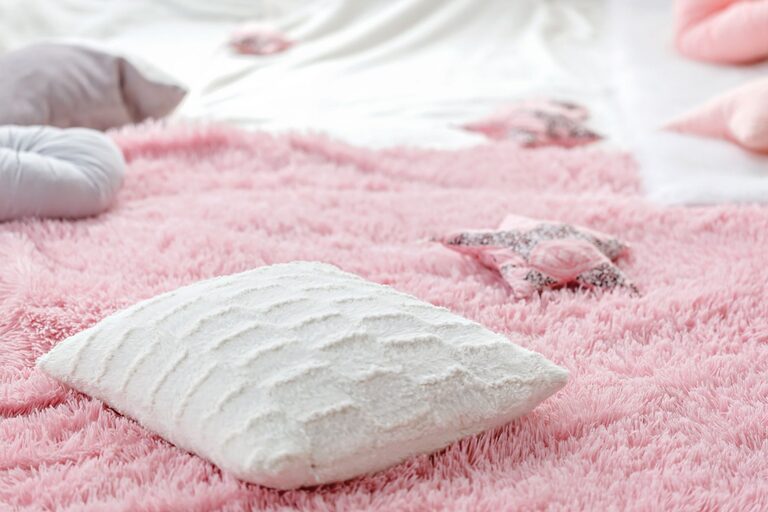
Getting a good night’s sleep starts with the right pillow. While it might seem like a small detail, your pillow plays a major role in supporting your neck and spine, reducing discomfort, and helping you wake up refreshed. But with so many pillows available, how do you choose the right one for you? This guide will walk you through everything you need to consider to find the perfect pillow for better sleep.
Why the Right Pillow Matters
A pillow isn’t just a cushion for your head. It supports your neck and helps maintain proper spinal alignment while you sleep. Using the wrong pillow can cause neck pain, headaches, and restless nights. On the other hand, the right pillow can relieve pressure points, improve breathing, and contribute to an overall healthier sleep posture.
Key Factors to Consider When Choosing a Pillow
1. Sleep Position
Your preferred sleep position is the most important factor in choosing a pillow. Different positions require different levels of support and firmness.
– Back Sleepers: Need a medium support pillow to keep the head aligned without pushing it too far forward.
– Side Sleepers: Benefit from a firmer, thicker pillow to fill the space between the head and shoulder.
– Stomach Sleepers: Usually need a softer, thinner pillow to prevent neck strain.
If you tend to switch positions during the night, a pillow with medium firmness and adjustable loft might work best.
2. Pillow Fill Material
The fill material affects comfort, support, and durability. Common types include:
– Memory Foam: Contours to your head and neck, offering personalized support. Good for pressure relief but may retain heat.
– Down: Soft and lightweight, great for those who prefer a plush feel. Not ideal for people with allergies.
– Feather: Similar to down but slightly firmer. It’s moldable but may require frequent fluffing.
– Latex: Naturally resilient and breathable, providing consistent support. Often hypoallergenic.
– Polyester: Affordable and lightweight, though it may flatten quicker than other options.
– Buckwheat: Filled with hulls that conform to your head shape, offering firm support and breathability.
3. Pillow Loft (Height)
The loft refers to the thickness of the pillow and should complement your body type and sleep position.
– Low Loft (less than 3 inches): Best for stomach sleepers or those with smaller frames.
– Medium Loft (3-5 inches): Suitable for back sleepers.
– High Loft (5 inches or more): Ideal for side sleepers or those with broader shoulders.
4. Firmness Level
Firmness affects how much support you get:
– Soft: Good for stomach sleepers or those who like a plush feel.
– Medium: Versatile for back and combination sleepers.
– Firm: Supports side sleepers who need more height and neck support.
5. Allergies and Sensitivities
If you’re prone to allergies, look for hypoallergenic pillows made from materials like latex, memory foam, or special synthetic fibers. Also, consider pillows with removable and washable covers to keep them fresh.
6. Temperature Regulation
Some pillows trap heat, which can be uncomfortable for hot sleepers. Look for pillows made with breathable materials like latex or those infused with cooling gel. Natural fibers such as buckwheat also offer better airflow.
How to Test a Pillow Before You Buy
If possible, try the pillow in-store or buy from retailers offering trial periods.
– Lie down in your normal sleeping position.
– Check if your neck and spine feel aligned.
– Notice any pressure points or discomfort.
– Give the pillow some time to adjust to your head shape.
Caring for Your Pillow
Proper maintenance can extend your pillow’s life:
– Follow washing instructions carefully.
– Use pillow protectors to guard against sweat, dust, and allergens.
– Replace pillows every 1-2 years or when they lose shape and support.
Final Tips for Better Sleep with Your Pillow
– Pair your pillow with a supportive mattress.
– Choose pillowcases made from breathable fabrics like cotton or bamboo.
– Avoid stacking multiple pillows, which can disrupt alignment.
– Regularly fluff and rotate your pillow for even wear.
Conclusion
Choosing the right pillow involves considering your sleep position, preferred firmness, fill material, and any personal concerns like allergies or temperature preferences. The right pillow can make a significant difference in your sleep quality and overall well-being. Take the time to find your perfect match and enjoy more restful nights ahead.
About the Author