
Reducing food waste at home is not only good for the environment but also for your wallet. Every year, millions of tons of food are thrown away worldwide, contributing to unnecessary landfill waste and greenhouse gas emissions. By making a few simple changes in your kitchen habits, you can contribute to a more sustainable lifestyle and enjoy fresher, more efficient meal preparation.
In this post, we’ll explore practical strategies to minimize food waste, from smart shopping to creative use of leftovers.
Why Reducing Food Waste Matters
Food waste has environmental impacts because it involves wasted resources like water, energy, and labor used to grow, transport, and store food. When discarded food ends up in landfills, it produces methane, a potent greenhouse gas. On a personal level, reducing food waste also means spending less on groceries and less time dealing with spoiled food.
Plan Ahead: The Foundation for Less Waste
Make a Shopping List
Before you head to the grocery store, take stock of what you already have at home. Creating a shopping list based on meals you plan to cook helps avoid buying duplicates or unnecessary items that might go unused.
Shop with Purpose
Try to stick to your list and resist impulse purchases, especially of perishable items you may not use in time. Buying smaller quantities more frequently can also help keep food fresher.
Smart Storage Techniques
Properly storing groceries extends their shelf life and keeps food safe.
– Use airtight containers for fruits, vegetables, and leftovers.
– Keep herbs fresh by placing them in water like a bouquet.
– Store fruits separately; some, like apples, release ethylene gas that speeds ripening.
– Freeze excess food before it spoils; many fruits, vegetables, and cooked meals freeze well.
Understand Expiration Dates
Labels like “best by” or “use by” can be confusing. Many foods are still safe to consume after these dates.
– “Best by” usually indicates peak quality, not safety.
– “Use by” is more about safety but often conservative.
– Use your senses: smell, look, and taste food when in doubt.
Cook Wisely and Use Leftovers Creatively
Portion Control
Cooking the right amount for your family size helps reduce leftover waste.
Repurpose Leftovers
Transform leftovers into new meals, like:
– Turning roasted vegetables into soups or frittatas
– Using stale bread for croutons or breadcrumbs
– Combining leftover rice or grains into stir-fries
Freeze in Portions
If you have leftovers, divide them into meal-sized portions before freezing so you can thaw exactly what you need later.
Composting: A Sustainable Way to Handle Scraps
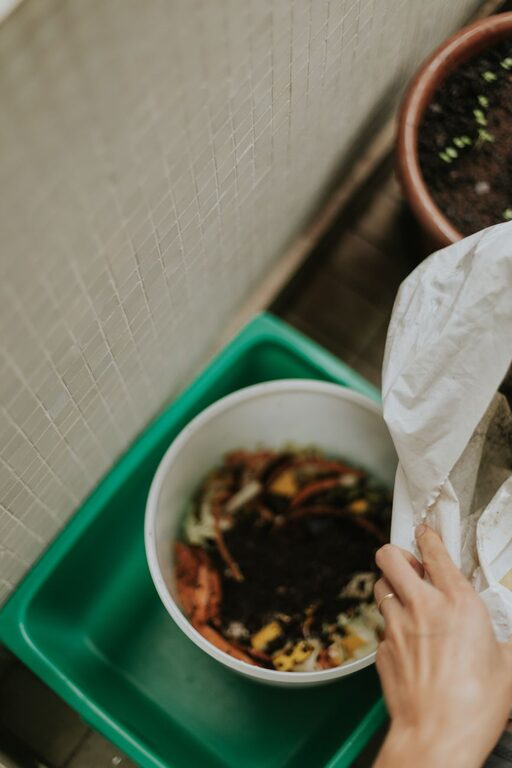
Even with all precautions, some food scraps are inevitable. Composting fruit peels, vegetable scraps, coffee grounds, and eggshells returns nutrients to the soil and reduces landfill waste.
– You can compost in a backyard bin or use indoor composting methods if space is limited.
– Many communities offer compost pickup services or community compost sites.
Educate Your Household
Involve your family or roommates in waste reduction efforts. Sharing knowledge about food storage, shopping practices, and cooking methods promotes consistent habits.
Additional Tips
– Freeze bread if you won’t use it quickly.
– Use a clear bin in the fridge for produce to keep track of what needs to be eaten soon.
– Try “first in, first out” shelf management to use older items first.
– Donate unopened, unexpired food to local food banks or shelters.
Final Thoughts
Reducing food waste is a continuous effort that benefits your household and the planet. By planning meals, shopping smart, storing food properly, and embracing creative cooking, you can make a big difference with small changes. Start today and enjoy fresher meals, lower grocery bills, and a smaller environmental footprint.
About the Author