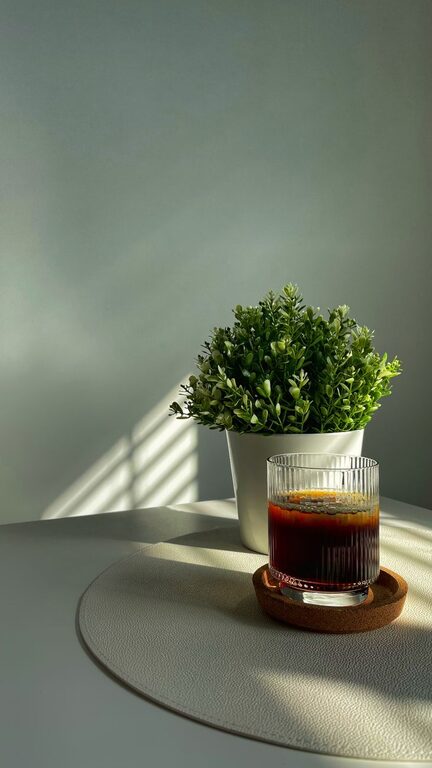
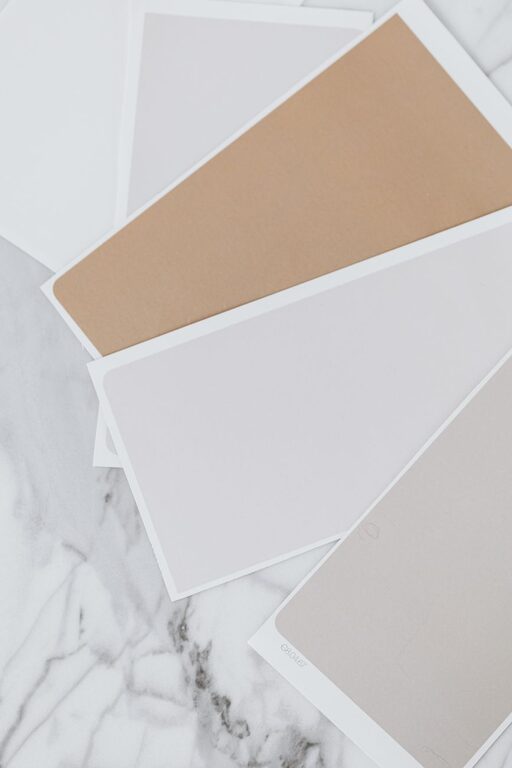
Creating a peaceful and calming environment in your home starts with the colors you choose for your walls, furniture, and accessories. Color has a powerful impact on our mood and energy levels. By selecting calm colors, you can transform your living space into a tranquil retreat that promotes relaxation and well-being.
In this post, we’ll share practical tips to help you choose calm colors for your home, so you can enjoy a soothing atmosphere every day.
Understanding Calm Colors
Calm colors are typically soft, muted tones that evoke a sense of peace and serenity. These colors often include light blues, gentle greens, soft grays, and warm neutrals like beige or cream. They tend to be less intense and more subdued than bright, vibrant colors, helping reduce stress and encourage relaxation.
Why Choose Calm Colors?
– Relaxation: Calm colors help lower anxiety and create a serene environment.
– Versatility: They work well with many decorating styles.
– Timelessness: Soft, neutral shades are less likely to go out of style quickly.
– Space Enhancement: Light calm colors can make a room appear larger and airier.
Tips for Choosing Calm Colors for Your Home
1. Consider the Room’s Purpose
Start by thinking about how you use each room:
– Bedrooms: Ideal for soft blues, lavender, or pale greens to encourage restful sleep.
– Living Rooms: Neutral tones or muted blues and greens create an inviting atmosphere.
– Bathrooms: Light blues or seafoam greens can evoke freshness and calm.
– Kitchens: Warm neutrals or soft yellows can add a cozy, cheerful vibe without overwhelming.
2. Test Colors in Different Lighting
Lighting changes how colors look in a space:
– Test paint samples on your walls and observe them during different times of the day.
– Natural light makes colors appear true, while artificial light can add warmth or coolness.
– Avoid choosing colors based solely on a paint chip; see how they interact with your room’s light.
3. Use Color Palettes with Soft Tones
Pair similar soft shades for a harmonious look:
– Combine a pale green with soft beige.
– Use a muted blue paired with light gray.
– Include pastel accents like blush pink or light lavender.
Creating a palette of calm colors adds depth while keeping the space restful.
4. Incorporate Textures and Patterns
Calm colors don’t have to be boring:
– Use textured fabrics like linen, cotton, or woven materials in your chosen colors.
– Add subtle patterns such as stripes, dots, or nature-inspired designs for interest.
– Keep patterns gentle and understated to maintain tranquility.
5. Balance with Neutral Shades
Neutral colors act as a perfect backdrop and help balance calm hues:
– Whites, creams, light grays, and taupe work well.
– Use these neutrals on larger surfaces like walls or rugs.
– Allow your calm colors to stand out through furniture, pillows, or artwork.
6. Avoid Overuse of Dark or Intense Colors
Dark or bold colors can create contrast but may disrupt the calm feeling if overused:
– Use darker shades only as accents or in small areas.
– Avoid painting entire rooms in very intense colors if you want a relaxed ambiance.
– Instead, opt for lighter tones with just hints of deeper hues.
7. Consider the Psychology of Colors
Understanding what colors represent can guide your choices:
– Blue: Often linked to calmness and stability.
– Green: Symbolizes nature, growth, and renewal.
– Gray: Neutral and balanced, promoting focus.
– Beige/Cream: Warm and inviting, providing a cozy feel.
Choosing colors aligned with the mood you want can enhance relaxation.
8. Use Calm Colors in Décor and Accessories
If painting walls isn’t an option, incorporate calm colors through:
– Curtains and drapes
– Throw pillows and blankets
– Rugs and carpets
– Artwork and decorative pieces
These touches can soften a room and create a peaceful vibe without major renovations.
Additional Suggestions for a Calm Home Environment
Keep Things Simple and Clutter-Free
Colors work best when your space isn’t overcrowded. A clean, tidy room feels more serene.
Bring in Natural Elements
Wood, plants, and natural fibers complement calm colors and add to a soothing atmosphere.
Pay Attention to Flooring
Light-colored flooring can brighten a space and enhance calm colors.
Final Thoughts
Choosing calm colors for your home is a wonderful way to invite peace and comfort into your everyday life. By considering the purpose of each room, testing colors in natural light, and balancing soothing shades with neutral tones, you can achieve a harmonious and relaxing living space.
Remember, calm colors are not about dullness—they’re about creating a gentle, inviting environment that helps you unwind and feel at ease. Take your time exploring palettes and textures until you find the perfect combination that speaks to you.
Your home can become your personal sanctuary with just the right colors and thoughtful design choices. Enjoy the process and the tranquility that follows!
About the Author